

Facing (temporary surface protection):
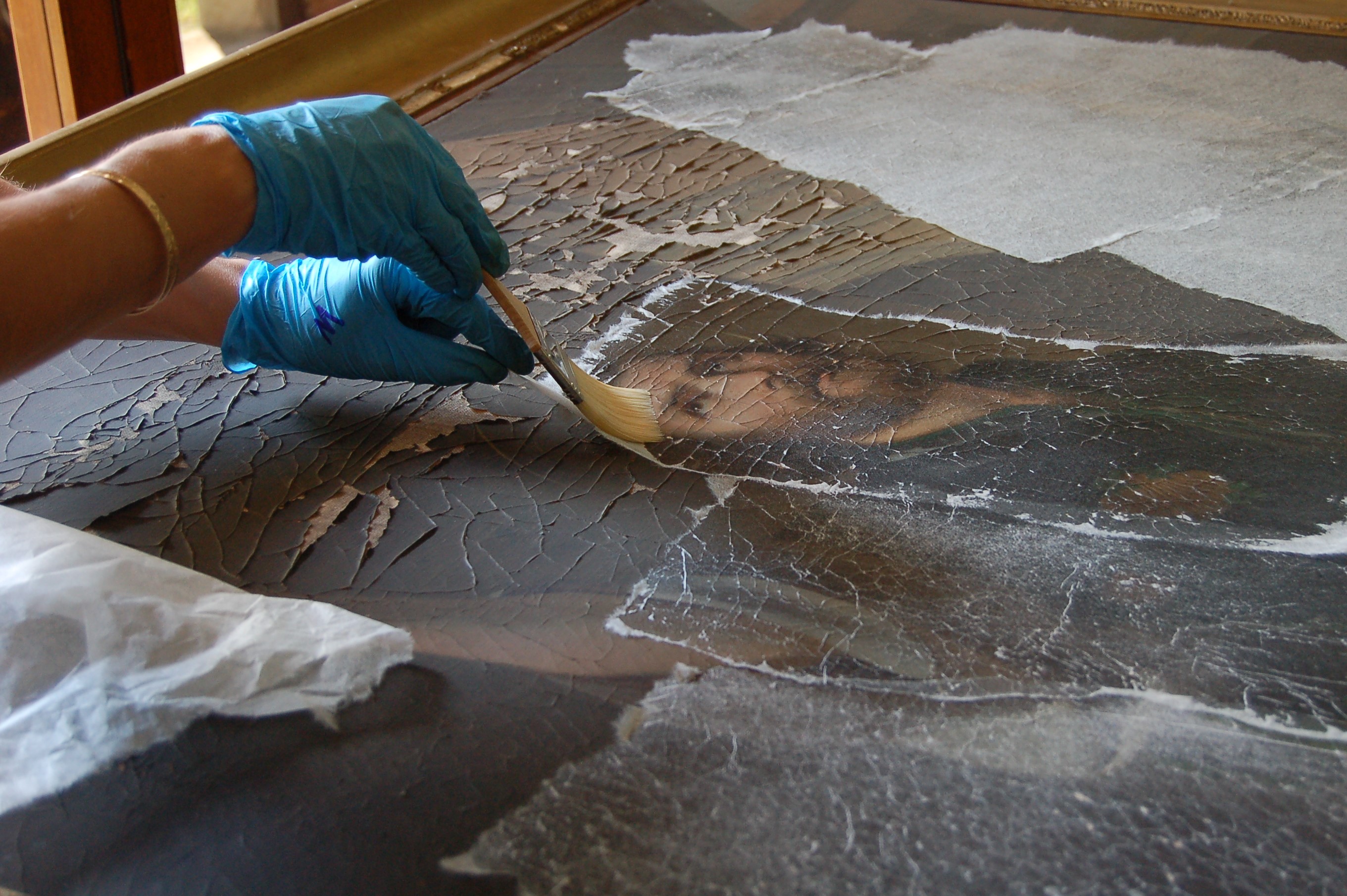
A temporary treatment for partially detached material (paint, plaster, gilding, etc.) in which a protective material, generally Japanese tissue, is adhered to the surface to safeguard it and prevent further loss.
Once positioned on the surface, the tissue is secured by brushing on a natural or synthetic adhesive.
Cleaning:
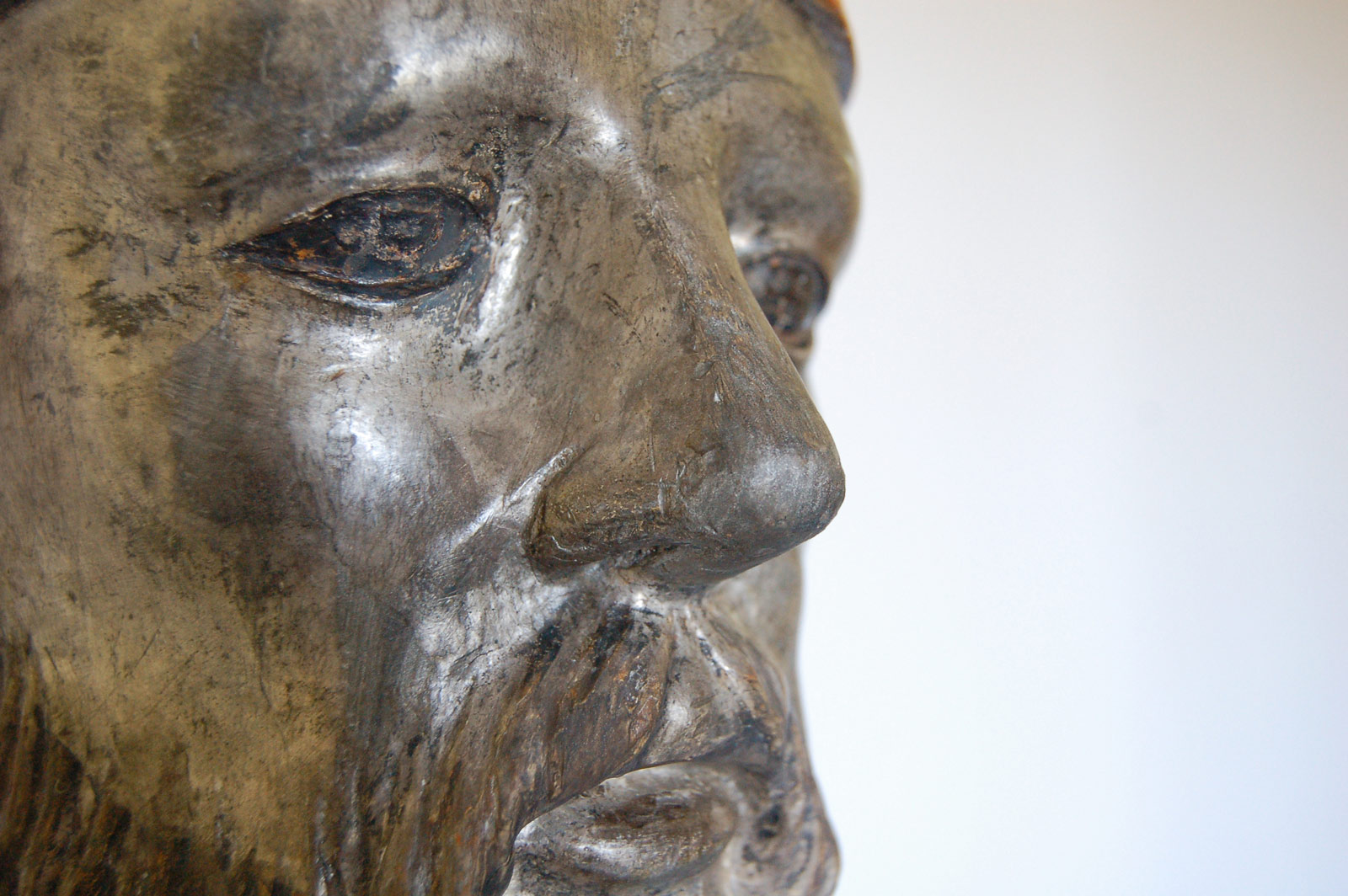
The complete or partial removal of loosely bound deposits (dust, cobwebs, nests, droppings and other externally deposited matter) or firmly adherent deposits (various encrustations, varnishes, retouching and materials from earlier restorations, or deteriorated original coatings that obstruct the appreciation of the work).
In general, cleaning works by dissolving or removing material through physical, chemical or combined methods.
Mechanical cleaning may employ scalpels, ultrasonic tools, probes, brushes, spatulas, micro-abrasive equipment, paintbrushes or cotton swabs.
Chemical cleaning may use water, organic solvents, various reagents, acids and alkalis, buffers, surfactants, complexing and chelating agents, enzymes and gelling agents.
These two approaches often need to be used together.
Typically, the selected cleaning agent is applied to the surface, left to act for the required period, then removed and rinsed away.
Consolidation:
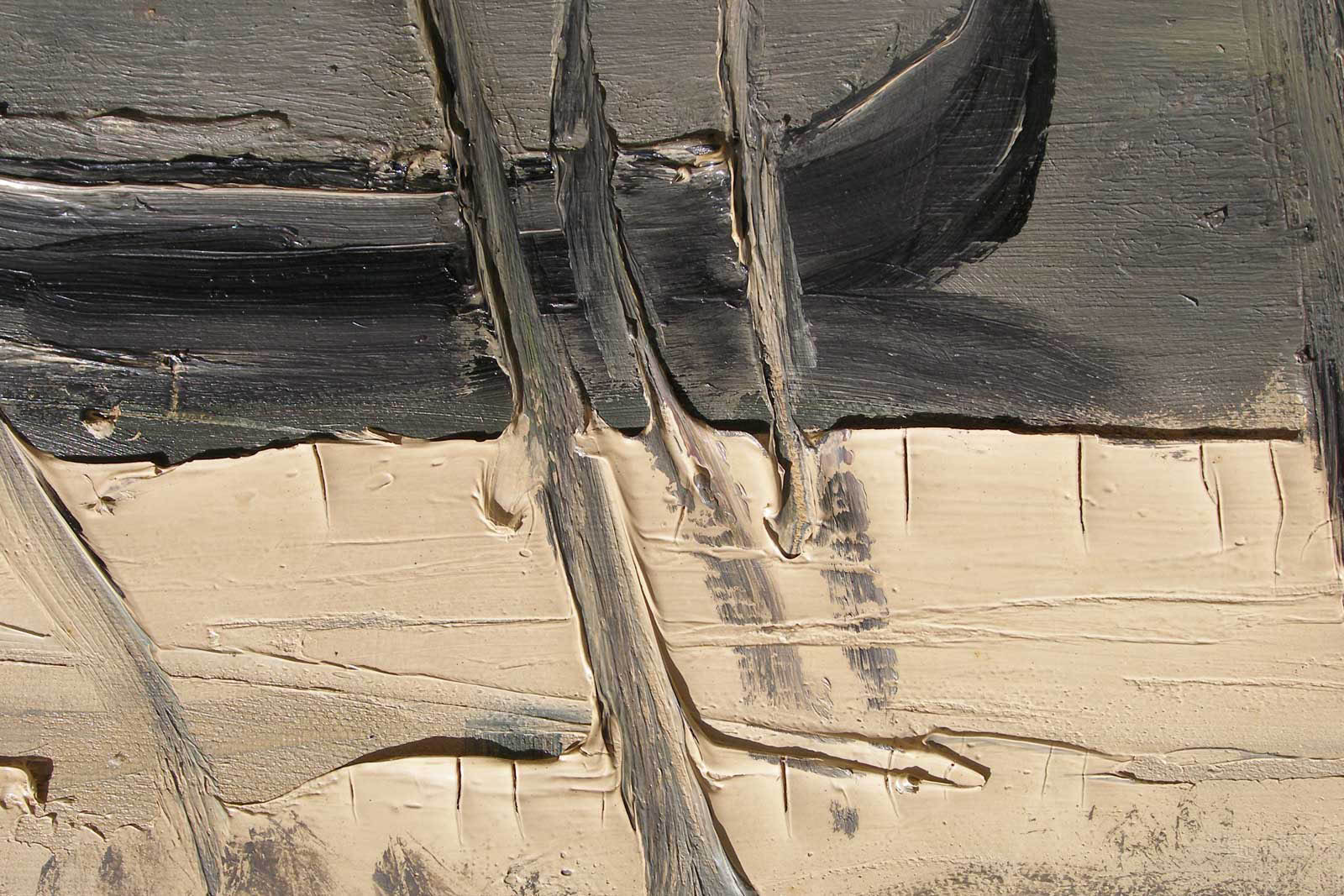
A treatment designed to restore the adhesion and/or cohesion of the materials that make up an artwork (paint layers, ground layers, wooden supports, stone, brick, plaster, etc.).
It is carried out by applying materials of natural or